
Floods & Landslides in Aceh: A Recurring Emergency
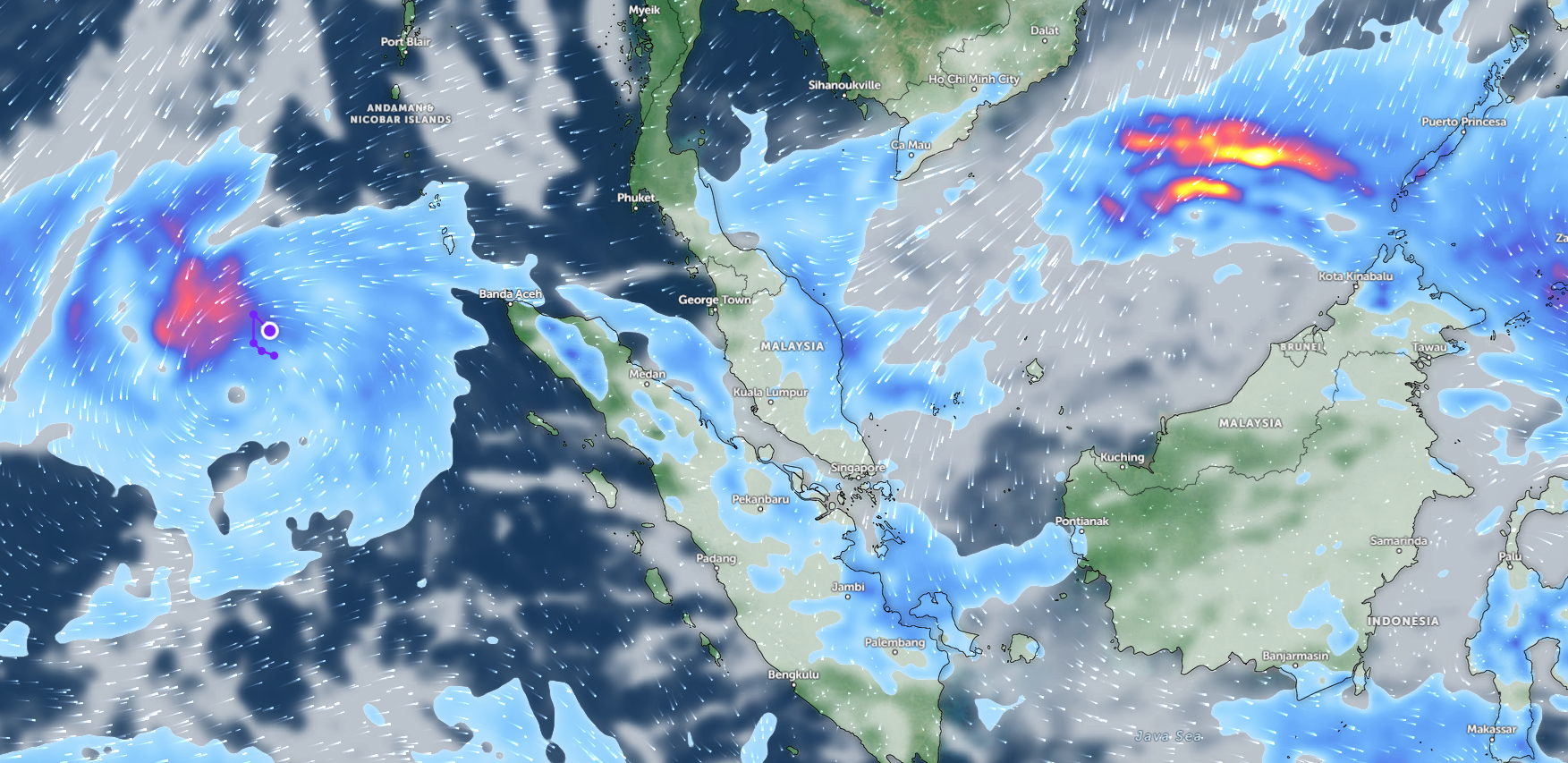
Aceh is currently facing one of its most challenging periods in history. The late 2025 and early 2026 monsoon season, intensified by tropical cyclones in the Malacca Strait, has triggered widespread hydrometeorological disasters.
What was once a seasonal natural phenomenon has turned into a humanitarian crisis. Heavy rainfall, combined with environmental degradation, has led to flash floods (banjir bandang) and landslides (tanah longsor) that strike faster and harder than ever before.
In recent events, water levels in areas like Aceh Tamiang and North Aceh have reached up to 2 meters, submerging homes, cutting off national logistics routes, and isolating entire villages for days.
Why Is This Happening?
Cyclone Senyar formed due to a rare meteorological anomaly where sea surface temperatures in the Andaman Sea and northern Malacca Strait rose significantly above 29°C, providing the intense thermal energy required for rapid storm intensification. This conditions coincided with a strong active phase of the Madden-Julian Oscillation (MJO) crossing the Indian Ocean, which drastically reduced vertical wind shear and fostered deep atmospheric instability. These factors allowed a tropical depression to unexpectedly organize and strengthen into a cyclone unusually close to the equator; driven by a shift in regional steering winds, the system was forced directly into the northeastern coast of Aceh, unleashing the torrential rainfall and gale-force winds that overwhelmed local drainage basins and triggered the catastrophic flooding and landslides.

Answer the Call for Aceh
Join our frontline volunteer team to provide relief, support logistics, and help families recover from the floods.