Current Situation: Emergency Response Status
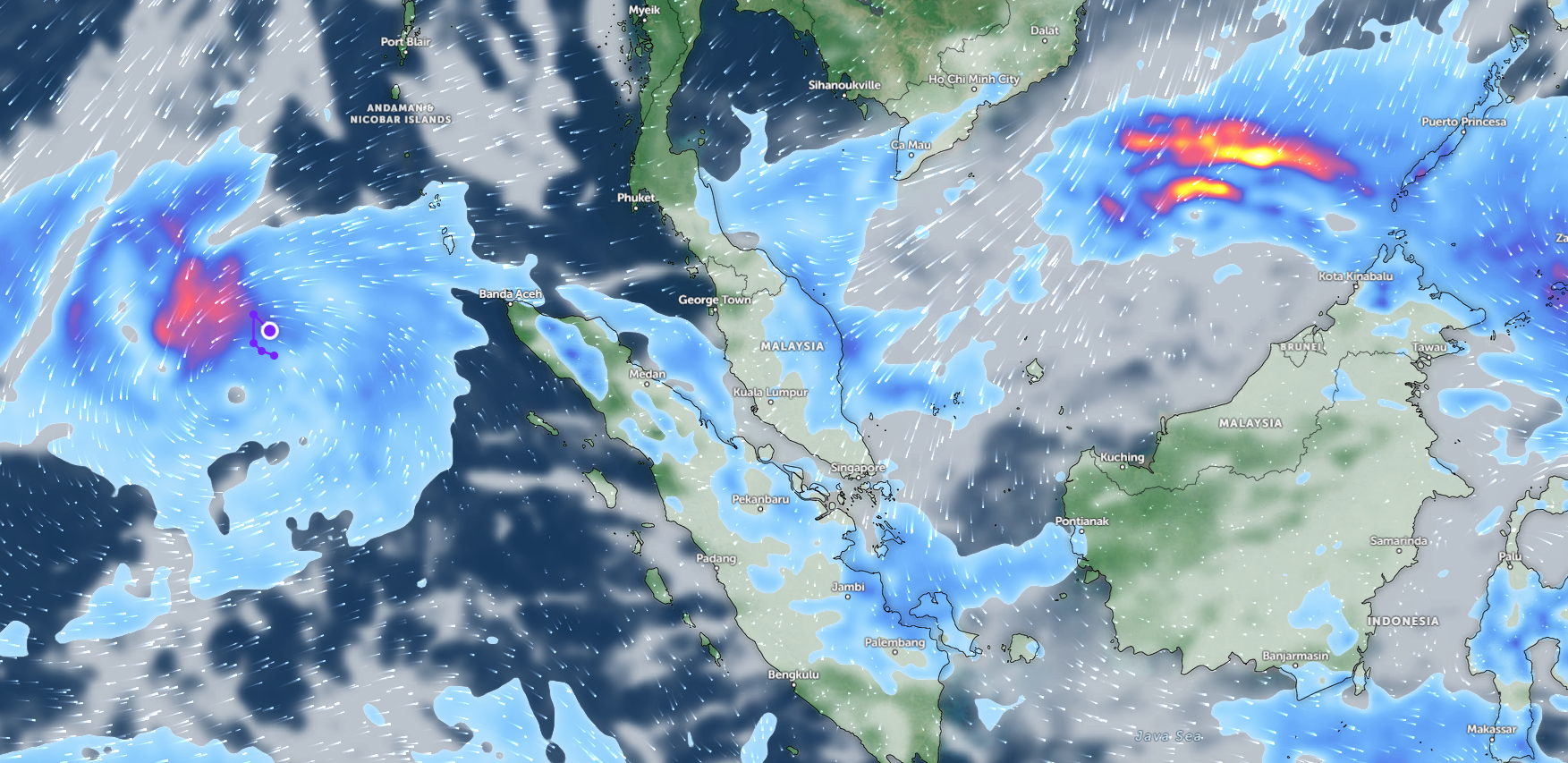
Based on data verified by the BPBA Operations Center (Pusdalops) on January 7, 2026, at 14:00 WIB, the impact of Tropical Cyclone “Senyar” has expanded to 113 districts across Aceh Province. Search and Rescue (SAR) operations are still intensively underway, particularly in mountainous regions affected by landslides.
The Aceh Provincial Government has officially declared a State of Emergency Response for the next 14 days to mobilize national resources for victim care and the restoration of vital logistics access.
Casualties and Displacement Data
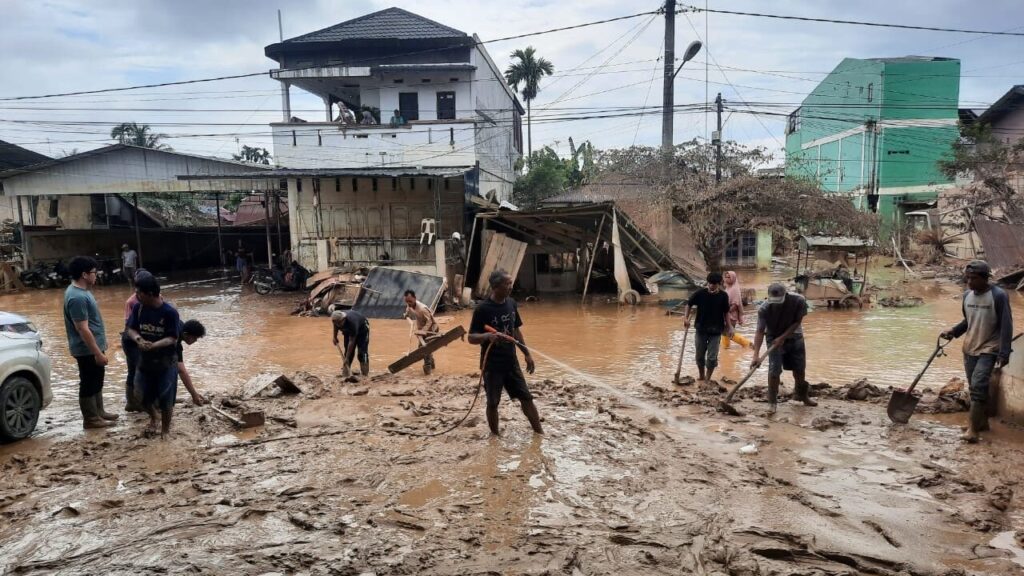
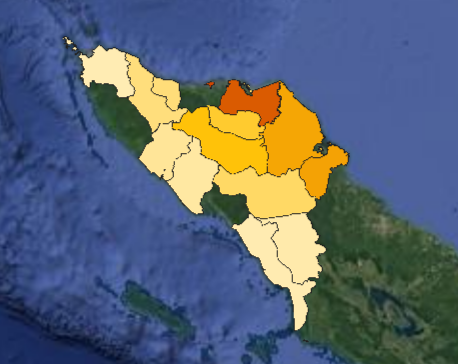
The humanitarian impact of this disaster is profound. As of this report, joint teams have confirmed 1,178 fatalities. The majority of victims were located in North Aceh due to flash floods sweeping through riverside settlements, and in Gayo Lues resulting from catastrophic landslides.
In addition to the fatalities, 342 individuals remain reported missing and are currently being sought by BASARNAS teams. A total of 2,450 residents have suffered serious and minor injuries and are receiving treatment at regional hospitals (RSUD) and field hospitals. Currently, 48,812 residents have been forced to evacuate to 88 designated shelter points located in mosques, schools, and government logistics warehouses, as their homes remain uninhabitable.
Affected Regions Breakdown
The humanitarian impact of this disaster is profound. As of this report, joint teams have confirmed 1,178 fatalities. The majority of victims were located in North Aceh due to flash floods sweeping through riverside settlements, and in Gayo Lues resulting from catastrophic landslides.
In addition to the fatalities, 342 individuals remain reported missing and are currently being sought by BASARNAS teams. A total of 2,450 residents have suffered serious and minor injuries and are receiving treatment at regional hospitals (RSUD) and field hospitals.
Currently, 48,812 residents have been forced to evacuate to 88 designated shelter points located in mosques, schools, and government logistics warehouses, as their homes remain uninhabitable.